Quick answer
The site opens daily from 09:00 to 18:00, with a 175 SAR admission fee for adult foreign visitors. Morning arrivals between 09:00 and 11:00 offer the clearest visibility and cooler air temperatures, and the protected lagoon supports year-round snorkeling regardless of season.
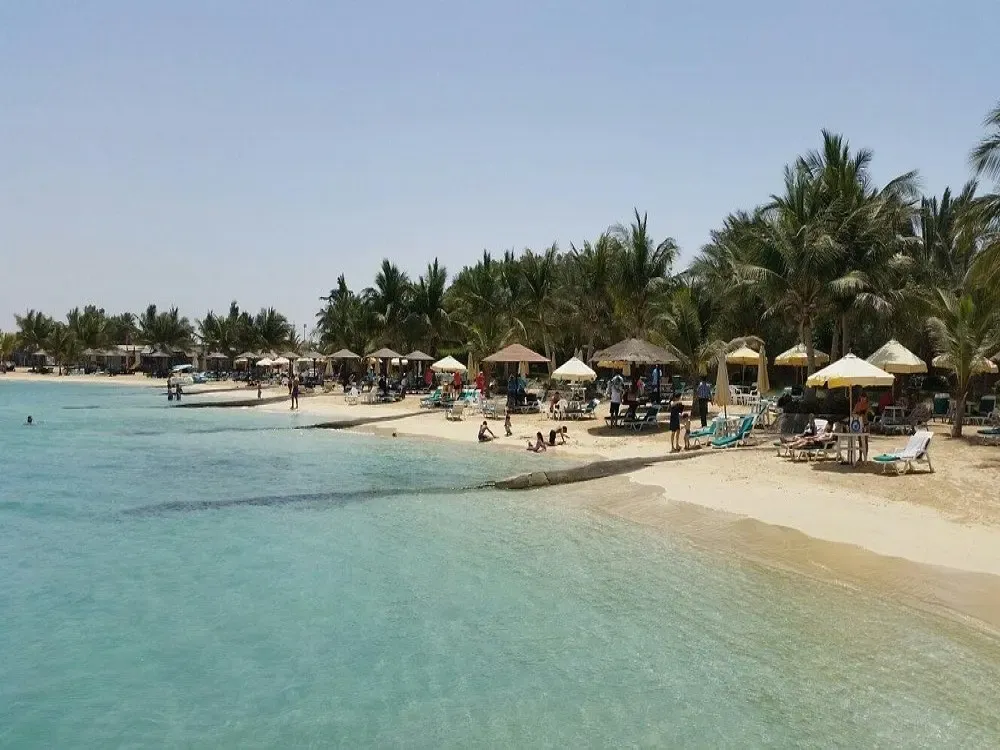
The reef sits in a natural lagoon protected by a low rock jetty, which keeps wave action minimal even during afternoon wind periods. Snorkeling conditions here differ sharply from deeper Red Sea dive sites to the south. Water depth rarely exceeds four meters, and most coral formations concentrate in the two-to-three-meter range, making the area suitable for beginners and families. Visibility fluctuates between eight and fifteen meters depending on tidal exchange and wind, with the first two hours after opening typically offering the clearest water before midday heat stirs surface turbulence. The site's proximity to the city means no boat transfer is required—gear up on the beach and walk straight in. Entry logistics are straightforward but worth confirming before arrival. The 175 SAR fee covers beach access and basic facilities; snorkel equipment can be rented on-site or brought independently. Lockers, freshwater showers, and shaded rest areas line the beachfront, and a small dive shop operates near the entrance for mask defog solution and emergency replacements. The reef's shallow depth and calm conditions mean certifications are not required, though basic swimming competency and comfort with a snorkel are assumed. The Red Sea's high salinity makes floating easier than in most oceans, but the same mineral concentration can sting if mask seals leak. Mornings remain the preferred window not only for visibility but also for temperature—by 13:00, the combination of direct sun and shallow water can push surface temperatures above 30°C during summer months. The reef sees its highest visitor density on Fridays and Saturdays, so weekday mornings offer the most solitary experience. Coral health in the lagoon remains stable, with active restoration zones marked by buoys where touching or standing is prohibited. Jeddah's coastline is undergoing rapid development, and Silver Sands represents one of the last easily accessible natural reef zones within city limits. The site functions as an introduction to Red Sea snorkeling rather than a wilderness experience—expect other swimmers, jet ski traffic in adjacent zones, and the hum of the coastal highway behind the dunes. For those seeking deeper reefs or pelagic species, boat-based excursions depart from the nearby marina, but for a quick, reliable snorkel without logistical complexity, this beach delivers consistent access to live coral and reef fish within an hour of central Jeddah.
“The reef sits in a natural lagoon protected by a low rock jetty, which keeps wave action minimal even during afternoon wind periods.”
The Best Time for Snorkeling Jeddah
The best time to snorkel in Jeddah is between 09:00 and 11:00 to ensure maximum water clarity and avoid peak daytime temperatures. Visiting during the shoulder seasons offers the most temperate conditions for extended time in the Red Sea.
Weekday mornings
Minimal crowds—
Arrive early for calmer water and less congestion.
November to March
ModerateCooler temperatures 20°C–28°C
Comfortable air and water temperatures for longer sessions.
April and October
Low to moderateWarm temperatures 25°C–32°C
Ideal transition months with manageable humidity levels.
June to September
HighHot temperatures 30°C–40°C
Extreme heat makes early morning snorkeling sessions necessary.
Verdict: The optimal slot for snorkeling is between 09:00 and 11:00 during the months of April or October.
Insider Tips for Best Snorkeling Jeddah Experiences
Follow these practices to preserve the Red Sea marine environment while enhancing your underwater visibility and personal comfort.
Rinse gear thoroughly
Salt residue degrades silicone seals and zippers quickly, so soak your mask and snorkel in fresh water immediately after exiting the sea.
Use reef-safe sunscreen
Standard sunscreens contain oxybenzone and octinoxate, which damage coral polyps; choose mineral-based formulas with zinc oxide or titanium dioxide.
Manage buoyancy
Avoid touching or standing on coral structures to protect the reef and prevent injuries from sharp surfaces or venomous stonefish.
Defog the mask
Rub a tiny amount of non-gel, non-abrasive toothpaste or dedicated anti-fog spray on the dry inner lens before entering the water.
Observe marine life
Maintain a respectful distance from schools of fish and rays to avoid startling them, which allows for more natural observation behavior.
Secure loose gear
Ensure your snorkel is firmly attached to your mask strap and tuck away any dangling cords to prevent entanglement with reef structures.
Essential Checklist for Best Snorkeling Jeddah Trips
Pack strategically to maximize comfort and safety in Red Sea conditions.
-
Bring reef-safe sunscreen (SPF 50+) — Chemical sunscreens damage coral; physical blockers protect both skin and marine life.
-
Pack a rash guard or wetsuit — Extended sun exposure causes burns even underwater; thermal protection helps in cooler months.
-
Carry 2+ liters of water per person — Dehydration happens quickly in Jeddah's heat; no vendors operate at remote snorkel sites.
-
Verify snorkel gear fit before departure — Ill-fitting masks flood constantly; test seals and breathing resistance at home.
-
Bring waterproof phone protection — You'll want photos, and saltwater destroys electronics instantly.
-
Pack a small first-aid kit — Coral scrapes and sea urchin encounters require immediate cleaning and antiseptic.
Check availability
Frequently asked questions about best snorkeling jeddah
Everything you need to know about best snorkeling jeddah